EQUINE PROJECT
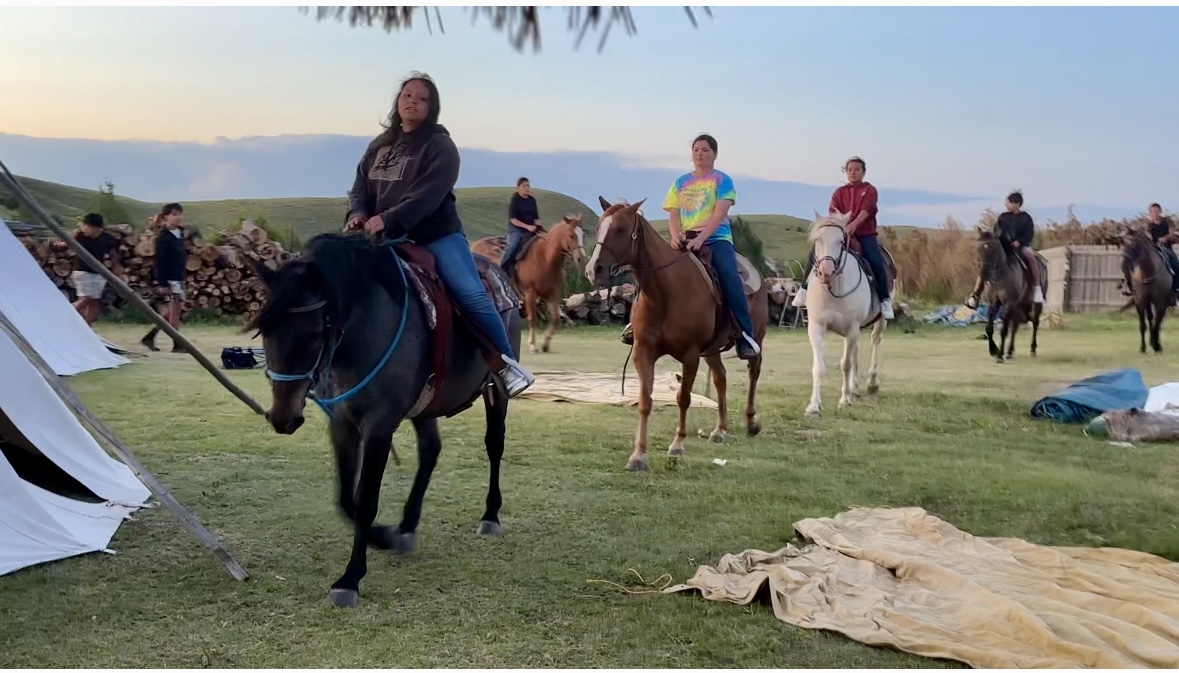
Youth Horse Camps Overview
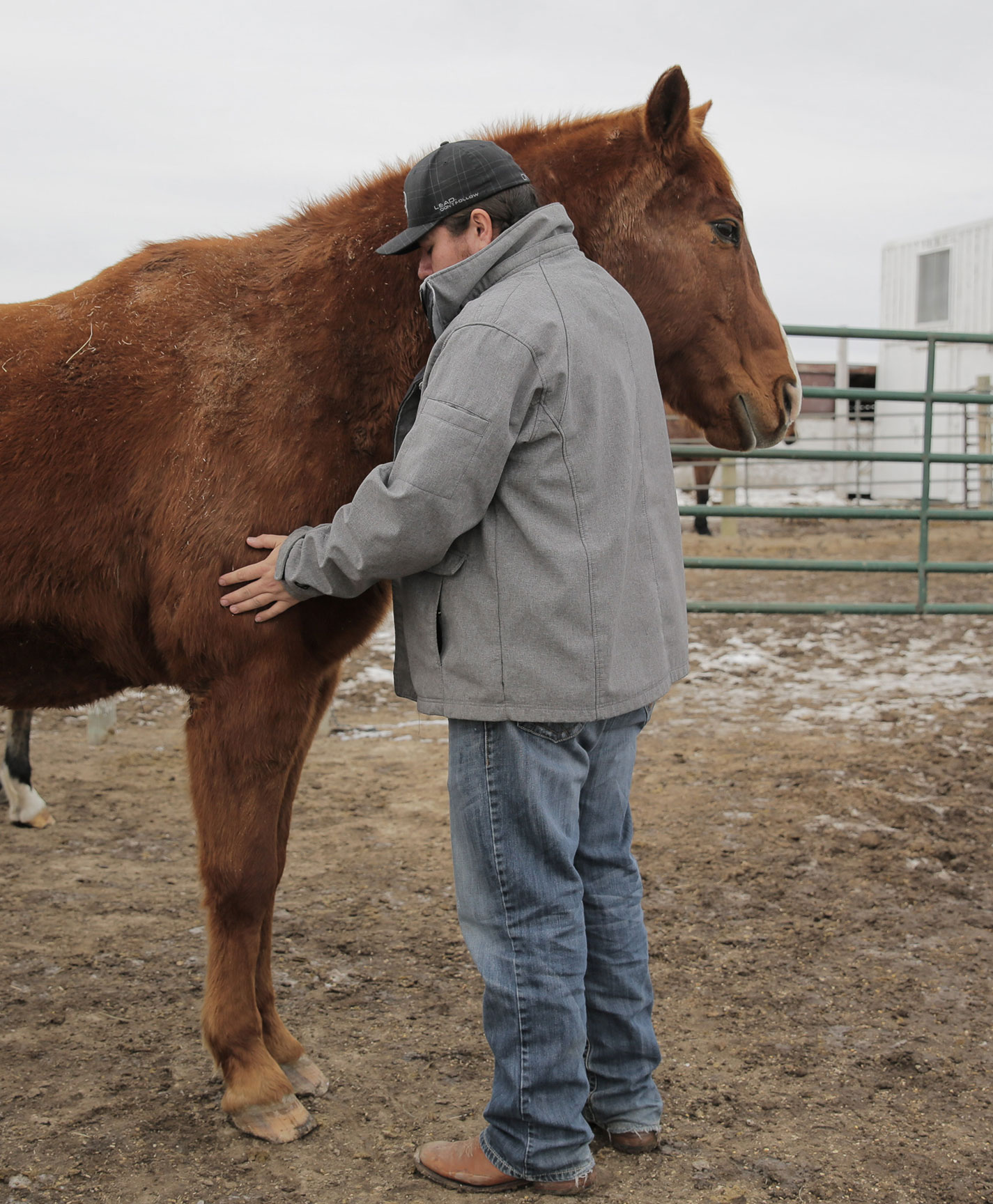
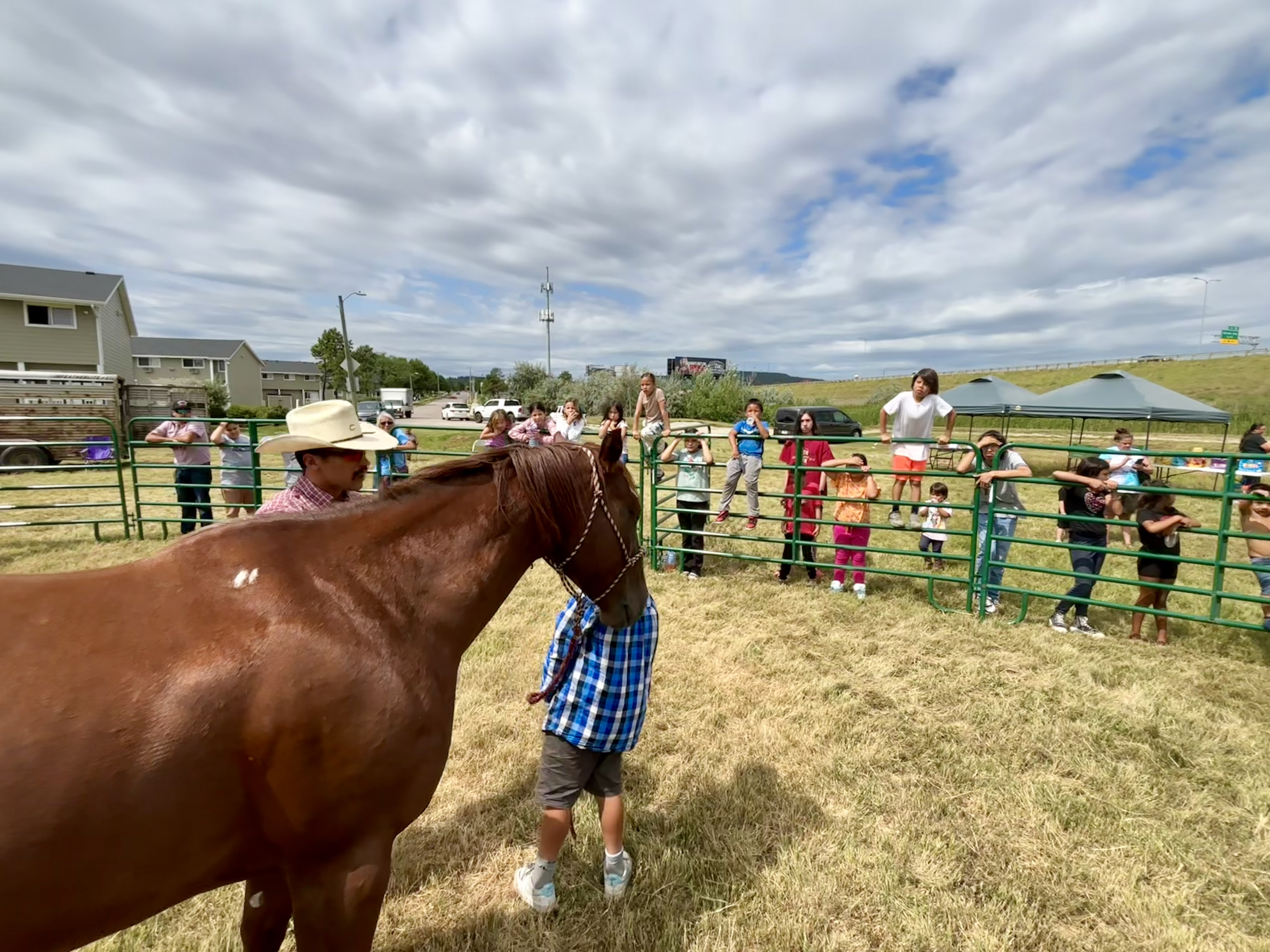
Each of our youth horse camps provide many cultural teachings around healthy masculinity and relationship to their spirit chosen horse. Our histories culture teaches us that the horse is our kin, and to emotionally treat them as such. When we do so, it creates a stronger relationship between the pair. So when either the rider or horse is alerted by something triggering an emotion that leads to fear. They know how to console one another, and be able to regain composure and courage to complete a riding task. This we know fosters a healing source where one can overcome the harsh emotions we carry from childhood.
Youth learn the cultural origin of the plains style home, tipistola “an endearing home”, the canunpa- our prayer pipe, and inipi “sweat lodge”. These three items are some of the most important and historically accurate stories that share how the relationship between men and women are created, molded, and fostered. By taking our youth out of their daily norms and immerse them into cultural dynamics with healthy male role models, they can relearn our ancestors origin and how they treated each other. By the end of our camps the youth all become like one another’s adopted family.
We learned over the years that when we create such a space with and for youth, that they automatically label us, their uncles and grandpas so naturally, shows how important being a healthy Native man is to the healing of our youth and future need.
We use our cultures third person story telling method as a way to create a space for the youth to reflect on their previous behaviors and dynamics that may have created harm. When you take a personal situation that is in your past, and remove the identity of yourself and replace with boy or girl-“hoksila or wicincila”, ex: when I was 9yrs old a horse chose me to be his friend vs. “when hoksila was 9yrs old, a big beautiful horse walked straight up to him and wanted to be his friend”. For the listener, it creates a character they often times will imagine themselves in place of the story. Therefore, it removes the personalization and simplicity of merely sharing a true story, creating a learning environment for the youth to grow.
Equine Train the Trainer Project
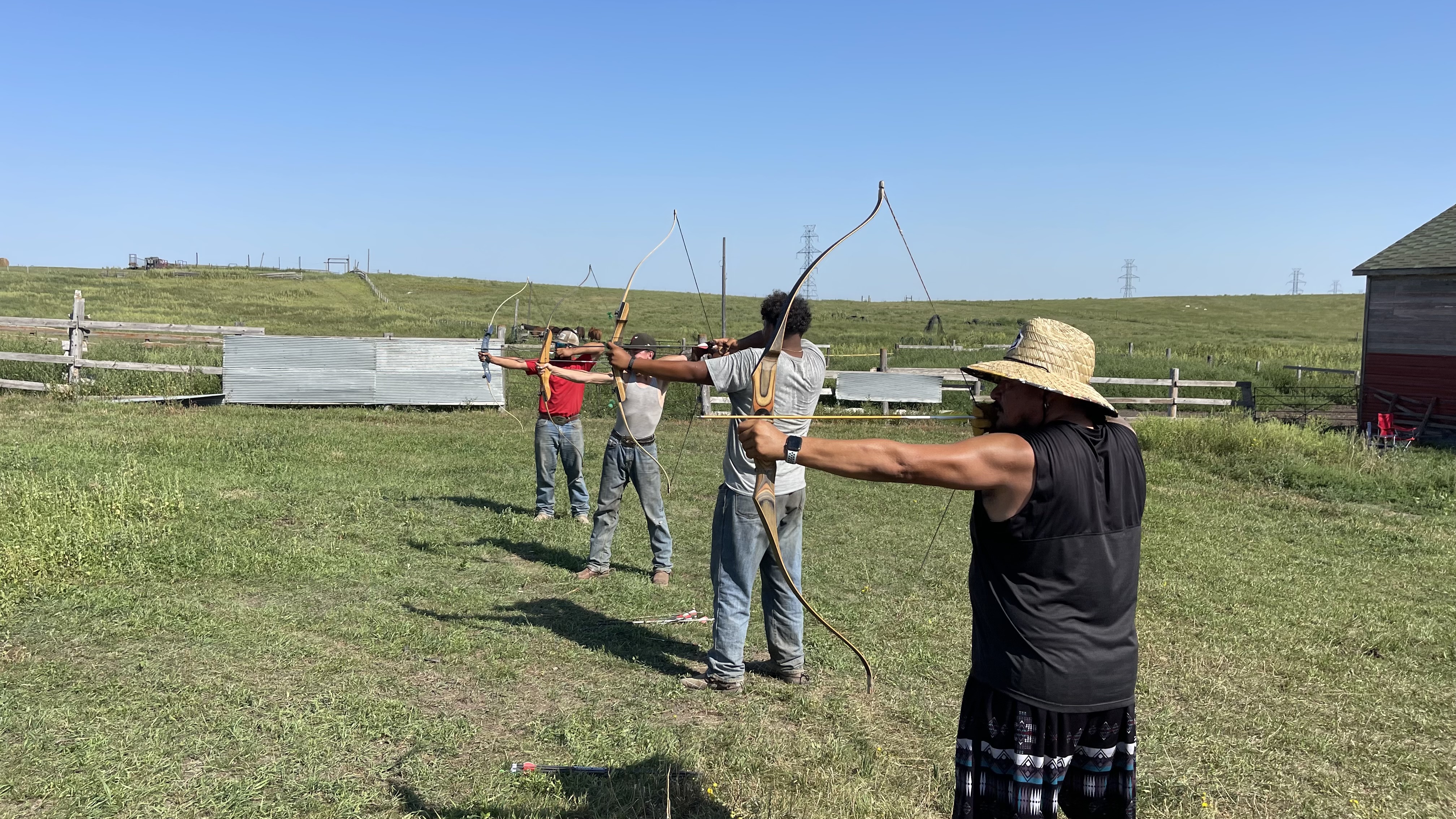
Wica Agli certified three of the programs co-facilitators by offering a 40 hour certification by working with youth and culturally specific healthy masculinity using the tools each co-facilitator offer in their fields of expertise; such as Traditional Lakota Archery, Equine, and Traditional Games & Stories.
Philippines Equine Certification Project
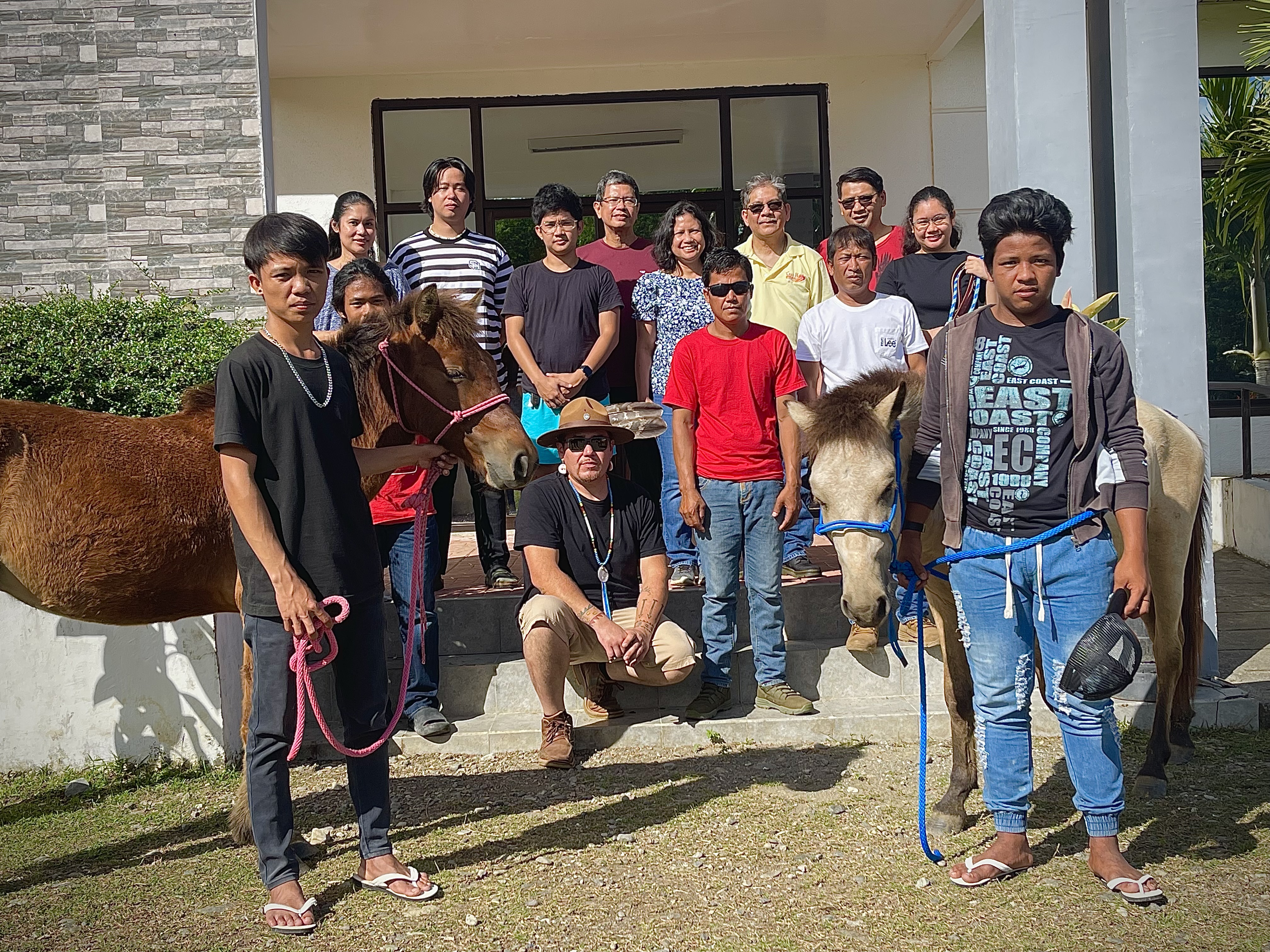
Wica Agli’s Greg Grey Cloud, offered an 80 hour Lakota equine therapy training/certification to Moscati Meadow in Manila, Philippines. Moscati Meadow’s is an in-house drug treatment facility that uses farm animals and horses to offer mental health therapy and support for adults and opioid addicts.