
HEALING AND WELLNESS FOR NATIVE MEN & BOYS PROJECT
Project Overview
Indigenous men often remain overlooked as victims of various forms of sexual violence, including abuse experienced during childhood. It is alarming to acknowledge the pervasive nature of sexual abuse and violence in our society, along with the strong denial surrounding these issues. Our efforts focus on promoting education and raising awareness abot sexual violence, human trafficking, the missing and murdered, domestic violence, mental health issues, and the healing and well-being of Two-Spirit and Native men and boys.
Native American men and boys have experienced the impacts of historical and intergenerational trauma. Their voices and experiences often go unheard and unseen. To bring about meaningful change, we must address their traumas, promote education and awareness, and provide culturally specific resources to facilitate healing. Committing to these actions can foster healing for all communities within our tribal populations across Indian country. We will persist in our efforts to bring about these essential changes to support our Native people.
Our group is one of the first organizations of Native men who identify as straight or Two-Spirit, working together in the country. We break down barriers using our voices to create healing, understanding, compassion, and education. We also aim to raise awareness about the violence faced by our Native male population.
We advocate for all Native men, boys, and Two-Spirit individuals, as well as gay, bisexual, and Native transgender males. Currently, we are developing the first-ever-40-hour Male Sexual Assault Curriculum to be utilized across Indian Country. This commitment to advocacy and education is what makes us a unique group.
We come from various tribal communities in Minnesota, North Dakota, Arizona, and California. We have developed a three-day training program now expanding to five days. This training will focus on victims of all forms of violence, including gay, transgender, bisexual, queer, Two-Spirit individuals, and cisgender men. Additionally, we are expanding our training team and involving
more men in this work.
Lenny Hayes (Sisseton-Wahpeton Oyate), a national Two-Spirit advocate, and Jeremy NeVilles-Sorell (White Earth Ojibwe/Winnebago), a national leader on domestic and sexual violence, heads our leadership team. Other key leaders include Whirlwind Bull Yellow Bear (Arikara/Dakota), Waylon Pahona, Jr. (Gila River/Hopi-Tewa), Timothy S. Ruise (Cahuilla Band of Indians), and Dwight A. Francisco (Tohono O’odham).
Our inspiration comes from the responses we get when we go out and train or when we visit with others about our work. We hear powerful feedback from men every time we go out and train within tribal communities. Men we trained in North Dakota returned home and started Native Talking Circles. Men we trained in Arizona just completed their first annual statewide men’s conference, while a smaller group has formed a men’s coalition in Hopi.
Our next significant effort is to identify more male trainers to bring into our team. We aim to have male-identified representatives from cis, Two-Spirit, trans, bi, and queer communities with expertise to speak of sexual assault, human trafficking, and missing and murdered relatives. This will strengthen our team and spread our reach to other communities.
Our mission is to reclaim traditional understandings of healthy masculinity and use our cultural beliefs to create communities free from domestic and sexual violence. We also want to encourage the notion that healing is possible through sharing our personal stories.
ESSENTIAL KNOWLEDGE OF SEXUAL ASSAULT
What Motivates Us to Do This Work
Before the Healing and Wellness for Native Men and Boys Project began, there were a handful of men doing presentations in respective areas of Two-Spirit & Native gay, bisexual, and transgender victims and straight men as victims of sexual assault. Gradually, these two groups of men came together and were conducting panel presentations at conferences, speaking as males who have been sexually assaulted rather than as separate groups of either gay or straight. Each time there was a presentation, there were more and more requests to have this training at other conferences and communities nationwide. The main goals are to create awareness by educating communities on the issues and to promote healing for male victims by creating resources and opportunities for them to discuss these issues.

One of the first things to address is that sexual assault is not going away any time soon. The trends are constantly changing, but the environment stays the same. Across Indian country, urban and rural, sexual assault is happening in our homes. Violence against women has a solid footing in awareness and organizing responses, but when it comes to men and boys, people are still wondering how to tackle this. How do we begin to tackle this?
Especially with men’s healing work. We know men want to heal, but what does that mean? Heal from what? What are we asking him to recover from? This is the big question because everybody heals from something different, constantly working on themselves. We all wonder what this looks like? What is it, what is our hope? What is our mission? What is our goal doing this work?
One important thing is to inspire younger generations to change their way of thinking, change their way of conversations, and get away from all the stereotypes of what it is to be a man and the toxic masculinity. They still hear what we heard when we grew up, about not showing emotions or being sensitive.
What is sad is that you realize that is not the case once you get older. When you grow healthy and mature properly, you know that being a strong man is about who you are and your character. Your character and your behavior are the only things you can control. They spend time trying to uphold an image or a facade that they are not their true self, and try to act and be something they are not. We want them to be able to shoe their emotions and relate to their feelings, because if they don’t, they will still become big people unable to regulate their emotions.
It’s just harder because then they become more stubborn. Men who feel vulnerable become more stubborn in hiding their emotions. They say to themselves, or others, “I am not telling anybody,” “I will deal with this on my own or later,” or try to ignore what is happening inside them. Some may not remember what happened to them, as part of disassociating or blocking out, because they are stuck in a survival mode. This is why it is essential to understand what trauma brings in.
We end up on this path for many reasons. Some men end up in this field as part of their healing journey; for some, it may be a duty as a community member that is their calling. “I am here because of me; nobody else has got me here. When hearing about [sexual assault issues], I was just like, it’s true, but it didn’t have to be that way, and it still doesn’t have to be that way.” There are many avenues to pursue, from working within institutions, public policy, and community awareness to working with adult offenders, victims, or youth. When working with youth and the younger generations, it is crucial to change the way of thinking that normalizes sexual violence and to show and normalize healthy relationships and behaviors.
The Limitations of Gendered Organizing Approaches: Fixing How We Talk About Boys, Girls, and Safety
For a long time, programs that help kids and teens have followed a simple rule; boys are seen as people who might cause harm, assumed to be naturally aggressive or prone to violence, and girls are seen as people who might be harmed, inherently vulnerable, and in need of protection. While these ideas were meant to keep kids safe, they create big problems. They ignore kids who don’t fit into these categories and make it harder for boys who are abused to get help, and most significantly, reinforce harmful stereotypes by failing to recognize the complexity of human behavior and the diverse experiences of young people.
When people think boys can’t be victim’s, it makes it harder for them to speak up when they are abused. Many boys feel ashamed or worried that no one will believe them. If they do tell someone, their pain is often ignored or not taken seriously. This makes them feel even more alone. We inadvertently set up dynamics that tell boys that they don’t matter as much as what happened to them. This is one of those areas where it closes doors from the beginning. If we’re not openly saying “something could happen to you, too,” “this is where you can get help,” or “this is someone you can talk to.” So, the critical part of our project is bringing awareness and saying, yes, this does happen to boys.
This approach can have dire consequences for boys who are victims of abuse. When society assumes that boys cannot be victims of sexual violence, they may be less likely to report abuse, seek help, or even recognize their experiences as abuse. Boys who do speak out often face stigma, disbelief, or minimization of their trauma. This creates an environment where male victims suffer in silence, without adequate support systems to address their needs.
Additionally, these frameworks often overlook the fact that females can also be perpetrators of sexual violence. The assumption that women and girls are always victims creates a societal blind spot where abuse by female perpetrators is either dismissed or not taken seriously. Research and survivor accounts indicate that women can and do commit acts of sexual violence against children, teenagers, and even other adults. However, victims of female-perpetrated abuse often struggle to be believed or to find resources tailored to their experiences. Male victims may face shame and ridicule if they disclose abuse by a female perpetrator, reinforcing harmful notions that men should always be willing participants in sexual encounters or that abuse by a woman is less damaging. They are often told “good job” when they disclose that a female harmed them.
Furthermore, these rigid frameworks alienate young people who do not fit into traditional gender categories. Non-binary and transgender youth may find themselves excluded from resources and support programs because such systems were built around outdated and exclusionary gender assumptions. These youths may struggle to find safe spaces where they feel validated and protected, exacerbating their vulnerability to abuse and exploitation.
Another issues is that people often forget that girls and women can also be abusers. Society assumes that women only play the role of victims, but this is not always true. There are many cases where women and girls have hurt others, including boys. But because this isn’t talked about much, victims of female abusers often struggle to find help or be taken seriously.
This way of thinking also hurts kids who don’t fit into the typical labels of “boy” or “girl”. Some kids are non-binary, meaning they don’t see themselves as just a boy or a girl. This creates problems for those who identify and for boys who may get, or are being, sexually abused. When programs only focus on helping “girls as victims” and stopping “boys from hurting people,” these kids get left out and don’t get the support they need.
When we only talk about abuse as something boys do and girls experience, we miss the whole picture. Abuse can happen to anyone, and anyone can cause harm. If we don’t recognize that, then some victims never get help, and some abusers are never stopped.
A lot of education programs teach girls to be careful and teach boys not to hurt others. But this isn’t enough. We need to teach everyone about healthy relationships, and what to do if they or someone they know is being abused. Abuse isn’t just about men hurting women-it happens in all kinds of ways, and abuse has no gender.
To truly help all people, we need to change how we think about abuse and safety. Here’s how we can do that:
Understand That Men and Boys Can Be Victims Too – Schools, programs, and support services should recognize that men and boys can also be abused. We need safe places where they can ask for help without being judged.
Talk About Female Abuser – We should not ignore the fact that women and girls can also hurt others. When we recognize this, victims of female abusers will have a better change of getting support.
Support All Gender Identities – Programs should help all kids, regardless of their identity. Resources and spaces should be welcoming to Two-Spirit, Native LGBTQ+, and non-binary youth so they don’t feel ignored or excluded. Anyone who works with Two-Spirit or Native LGBTQ+ youth or adults should challenge their own personal biases. If they fail to do this, they will not provide proper services to individuals who identify.
Teach Everyone About Consent and Safety – Instead of focusing only on “boys shouldn’t hurt” and “girls should be careful”, we should teach all kids about respect, personal boundaries, and what to do if they need help.
Provide Trauma-Informed Care – People who help abuse survivors should be trained to handle all kinds of cases with care and understanding. This means taking every victim seriously, no matter their gender.
Encourage Open Conversations – Kids and teens need safe spaces where they can talk about abuse, relationships, and personal safety without fear or shame. The more we talk about these things, the easier it will be for those who need help to ask for it, As advocate, we should also challenge our own biases. We won’t provide the proper services if we don’t do that.
The old way of thinking – that boys are always the problem, and girls are always the victim-is outdated and harmful. Abuse can happen to anyone, and we need to make sure every victim gets the help they deserve. When we account for females being assaulted by other females, male victims, assaults in Two-Spirit relationships, and boys assaulted by adult women, then it looks dramatically different. Under-resourced communities leave gaps that lead to many other things, other forms of exploitations, like human trafficking. Those are often the ones who are left out in the cold, with no help or support. By making our programs more inclusive, teaching respect and consent to everyone, and recognizing that abuse has many forms, we can create a safer and more supportive world for all people who experience sexual assault.
We can do some healing in our communities when we acknowledge the fact that men are victims and deal with the fact that most for those who perpetrate sexual assault on other have been victims themselves. When we look at people who’ve gone on to assault or physically abuse others sexually, it’s what they’ve learned growing up. How was someone supposed to heal when there is no support? Why do we get locked into this tough stance on offender accountability when that person may not have been shown any other way of being?
When traveling across the country, we have had conversations with male survivors. One discussion that comes up is that in some tribal communities, cultural teachings tell us as survivors of sexual abuse or any other type of abuse that we are not supposed to talk about it. Male survivors often suffer in silence.
If you think of this like there’s a small child, you cannot discipline them because they don’t know you, you know you can’t just start whipping them or you know getting after them or scolding them right out of the gate if they don’t even know how to talk or walk. They will not learn or be open to change fi they are punished. Indeed, we know there are consequences for crimes; we need to place those who help them to understand the root of their behavior and to stop further sexual assaults, and part of that is to make safe places for men and boys to seek help before they become offenders themselves.
Children learn by what they see and hear, so if they are around many dysfunctions, that is all they will know. This is where work to heal the child within becomes a key topic because of the dysfunction; you are not fully allowed to be a child. Studies like Adverse Childhood Experiences (ACEs) and later, Expanded Adverse Childhood Experiences (E-ACEs), are tools to help develop understanding around traumatic experiences and the links to higher risk for chronic diseases (e.g., heart disease, stroke, cancer), mental health problems (e.g., depression, anxiety), substance abuse, poor academic performance, or early death. Growth and development get stifled at times of trauma, and people get stuck at the age at which the trauma occurred. We do not develop the skills to handle things maturely, most often lashing out or going within ourselves when challenged. We also have problems with nurturing children, people around us, our partners, relationships, and perpetuating problems if we are not given help and support to develop and mature.
We often end up as a product of our environment; when it is limited, we are limited. The goldfish analogy states that a goldfish only grows as big as the environment, so kept in a small bowl, it never grows very big, but if given a large tank, it will have space to flourish. When you hear people talk about living in a small town and have a small-town mentality, it is an example of how experiences and opportunities are limited, so ways of living and viewing the world are limited.
The areas where we have the most difficulties in life are those where we have had minimal experience, been given very little attention, or be misguided in some way. These may include underdeveloped characteristics and skills, poorly learned behaviors, limiting beliefs, and inadequate knowledge. Above all others, our limited beliefs are probably the biggest culprits for our challenges, leading to less-than-optimal thinking habits.
We get misguided by people who are doing things for their benefit. The whole secrecy around sexual assault is to protect the person who’s doing the sexual abuse. The entire privacy and secrecy are not to be told to anyone. When you experience abuse and violence, you get stuck developmentally at the stage where you should grow because you are in survival mode. You are expected to be a competent adult, but you cannot be that person because part of you is still a child. But then you cannot be a child because you take on adult roles, protecting yourself and sometimes other family members.
We end up with adults who have trouble functioning because of the mental and emotional trauma stifling them, just like the goldfish. But when you expand the environment, providing space to grow, you can allow that child spirit to heal. While on this healing journey, we have to work on the difficulties we had in our lives and have safe spaces and supportive people around us.
When people do not understand what that trauma does, they are always asking, “What is wrong with him?” “Why is he acting that way?” “Why does he keep going, messing up?” Helping people realize they do not have to try to figure out the “why,” what we have to do is try to understand what he went through.
There is a difference when you understand trauma and trauma behavior when you see someone messing up in life. When you look at someone through a trauma lens, you do not blame them for their behavior; rather, you try to understand where their behavior is coming from. Most commonly, the reaction is to blame the person for a lack of capacity in some form for why they are behaving the way they do. Relationship problems, drug and alcohol problems, and emotional and psychological problems are a few examples where it is easy to blame the person rather than understand where the root of the issues is. Men and boys who have been sexually assaulted exhibit a range of behaviors seem successful, where the person looks like they are healthy and confident. Sexual assault takes the feeling of control away from the abused person, so becoming an overachiever or immersing oneself in education, sports, work, or hobbies can make one appear to be well adjusted, but that also could be a coping mechanism. The third area is those who may have blocked memories. Their behavior may be unexplainable as to why they are either struggling or immersing themselves. However, they will still have trauma symptoms of stress, anxiety, sleeplessness, weight issues, and the like.
Statistical Data
National data published in the American Indians and Crime report by the Bureau of Justice Statistics states that the average annual violent crime rate among American Indians is approximately 2.5 times higher than the national rate. Rates of violence in every age group are higher among American Indians than those of all races. This shows how much violence we are exposed to every day and how our communities can see violence as normal. The average annual rate of rape and sexual assault among American Indians is 3.5 times higher than for all races. Additionally, at least 70% of the violent victimization experienced by American Indians is committed by persons not of the the same race.
Anecdata gathered from our collective expertise working with men in Native American and Alaskan Native communities shows that 80-90 percent of native males experienced some form of sexual violence in their lifetime from either a man or a woman. This work includes intervention programs for offenders, prevention programs for youth and bystanders, and individual counseling and therapy efforts.
When we look at history, we see how much colonization and acculturation to the high levels of sexual violence in Native communitites. Rape is a part of war with the intent to destroy the soul and demoralize people. Through conquest or through boarding schools, sexual violence was used against all Native American people, female and male. Internalizing this form of oppression, these behaviors were additionally used against ourselves as we took on the actions of our oppressors.
Understanding the Continuum of Sexual Violence
To best address the problem of sexual violence, we must understand that sexual assault is more than an act of rape. A continuum of actions, attitudes, and beliefs contributes to the problem, which can make change difficult and keep violence “normal.” There is a degree of violence starting with objectification, only seeing them as sex objects and not a whole person, all the way to violent rape and murder. In society, we place a huge value on the sexualization of nearly everything.
Cars are sexy, food is sexy, and the more you walk, talk, eat, and dress sexy, the more appealing you are supposed to be. This type of sexualizing of common things and daily actions make us think that this is the way the world is, and we are desensitized to the level of sexual images we are exposed to every day. This sexualization is a primary contributing factor to sexual violence because it bombards us from every direction with the idea that women, men, children, Two-Spirit, and Native LGBTQ+ people are sex objects. We socialize both boys and girls to start to believe in this way. This establishes the normal way to be seen and gives permission for the rest of the continuum to occur. This establishes the normal way to be seen and gives permission for the rest of the continuum to occur. Objectifying someone can consist of suggestive looks for actions, sexual comments, and sexual exploitation. Many of these actions are not considered “criminal” but are part of a largely acceptable societal attitude. To best address the problem of sexual violence, we must understand that sexual assault is more than an act of rape. A continuum of actions, attitudes, and beliefs contributes to the problem, which can make change difficult and keep violence “normal.” There is a degree of violence starting with objectification, only seeing them as sex objects and not a whole person, all the way to violent rape and murder. In society, we place a huge value on the sexualization of nearly everything. Cars are sexy, food is sexy, and the more you walk, talk, eat, and dress sexy, the more appealing you are supposed to be. This type of sexualizing of common things and daily actions make us think that this is the way the world is, and we are desensitized to the level of sexual images we are exposed to every day. This sexualization is a primary contributing factor to sexual violence because it bombards us from every direction with the idea that women, men, children, Two-Spirit, and Native LGBTQ+ people are sex objects. We socialize both boys and girls to start to believe in this way. This establishes the normal way to be seen and gives permission for the rest of the continuum to occur. This establishes the normal way to be seen and gives permission for the rest of the continuum to occur. Objectifying someone can consist of suggestive looks for actions, sexual comments, and sexual exploitation. Many of these actions are not considered “criminal” but are part of a largely acceptable societal attitude.
Objectification is what a perpetrator would do leading up to the abuse as a process of dehumanizing the person so they get his or her way against the victim. This usually starts with verbal tactics. If they do not get the result, they may choose another intimidation tactic that becomes more verbally intense. If they still do not get their way, then they may choose a premeditated physical attack. This is where the victim is no longer seen as a person, and they become non-human and subject to disrespect. Name-calling is usually highly charged and includes vulgar profanity. Profanity is one of the behaviors we, as Native people, found most appalling about the colonizers; we despised them for being disrespectful to our people and for how they used that to sexually abuse them. So, naming behavior today may shed light on how Native communities have taken on some of the negative characteristics of the colonizers in adopting this learned behavior.
The sexual objectification and resulting abuse of women make many men who would cause harm less understanding of femaleness or the feminie. Unbalanced men usually reject any association with themselves as being feminine in any way, such as being kind, nurturing, or having feelings like sadness or grief. These ways of being can seem too female or too threatening to their manhood, and menfolk have learned throughout their entire lives that women are weak and only to be used for pleasure.
This can lead to homophobia. Homophobia is the unreasonable fear or hatred of lesbian, gay, transgender, bisexual, queer, and Two Spirit people. A man may have family, relatives, or associates who are Two Spirit or Native LGBTQ+, but still be homophobic. As an advocate, it is important to self-educate on Two-Spirit and Native LGBTQ+ identity so you can make connections for participants. Two-Spirit and Native LGBTQ+ individuals were recognized as being sacred, holy, and well-respected before colonization. They were respected because of the roles they played in tribal communities.
Colonization has changed how we view these individuals today in our communities. Before colonization’s, they were looked upon as spiritual beings, and today, they are looked upon as sexual beings. Homophobia is a learned behavior that is not our way. In the traditional ways of Native culture, Two Spirit relatives are human beings first, and being Two Spirit is embraced as a natural way of being. Homophobia can lead men to reject female or feminine totally and hate all women, thus becoming misogynistic (being hateful or hostile toward women). This discussion can lead to a powerful learning opportunity in the room.
Verbal harassment is the next layer on the continuum of sexual assault. Verbal harassment often consists of using slang references to body parts coupled with derogatory commentary and is used on the street, in relationships, and the workplace. This includes obscene phone calls/sexting, unwanted sexual advances, retaliatory insults for rejected advances, slanting comments with sexual overtones, and relentless flirting.
Groping and inappropriate touching are also actions that occur. These include grabbing and pinching, making unwanted sexual contact in public or in front of friends, and touching that makes one feel uncomfortable. At this point of the continuum, perpetrators of these actions usually suffer little consequence. They may be ignored, avoided, or chastised in response by the victim or the people around him or they may be kicked out of a public place, such as a restaurant or bar. The level of intervention at this point will vary significantly from individuals involved, friends, and family based on the level of acceptance in the community.
The level to which our society accepts sexual objectification creates a foundation where this becomes the only value of people and manifests into a belief that there is no purpose for these victims beyond sexual gratification. From this belief, it makes it easier for perpetrators to move on to more invasive actions and explicit acts of sexual obscenity.
Peeping in windows, exposure, and soliciting sex are some of the “minor” criminal violations that communities have implemented a standard not to tolerate. These actions point back to the belief that these people are objects existing for sexual gratifications, therefore granting permission to invade their privacy by watching through window, “flashing” them for pleasure, and manipulating them for sex. The actions of the perpetrators are taken more seriously as these are viewed as threatening to the community, and police and court interventions start to be utilized. Although the general tolerance level is lower, struggles exist in reporting, arresting, and convicting perpetrators of these crimes.
The continuum then enters more physical types of violations such as molestation, coerced sex, and statutory rape. Common acts include non-consensual contact including the removal or attempted removal of clothing covering intimate body parts, date rape or forced sex, and taking advantage or younger/teenaged victims. These occur in many relationships, from friends or acquaintances to dating relationships and in marriages.
Common understanding of sexual assault typically focuses on the overt acts of sexual violence. Severe aggression, kidnapping, and brutal assault coupled with sexual penetration are what most people envision as the dynamics of sexual violence. Some might believe that the continuum of sexual violence starts with rape then moves up from there to include hitting, restraining, and use of weapons. This continuum demonstrates that this is toward the most extreme end of assaults.
The most extreme end of sexual violence involves both sexual and physical violence. This includes situations where victims are beaten and raped over an extended period or throughout a relationship, forced into prostitution, trafficked, raped, and murdered. These actions are what grab our attention when hearing of such heinous crimes, and this is what we try to protect our communities from, which is more of the result of our social attitude toward sexual assault victims.
Understanding Sexual Respect as a Native American Tradition
Native American philosophy throughout North America is about living in balance and harmony with the world around you. If something is out of balance, you correct it because we know that when things are out of balance, there is suffering in our lives, relationships, and community. Our work to educate and engage Native men in ending sexual violence includes our philosophy rooted in our traditional teachings. We believe that all men have the responsibility to make efforts to address violence against women. Out traditional ways of teaching and child rearing always begin with “being the best person you can be” for the betterment of your family, community, and society. If we are to songidee bimadiziwin – “life a good life” then we must think of the responsibility Native men have to make changes in society to stop violence against women. This will create healthy, strong communities for ALL of us.
Sexual assault and domestic violence were considered unacceptable in the original Native ways of living. If it occurred, it was addressed immediately, and the one who cause harm was quickly held accountable for their actions. Although we did not have written languages, our non-Native relatives who came to live amongst us did record some of the daily thoughts and philosophy of our Native peoples. For example, New York City newspapers published interviews with white teachers who worked at various Indian Nations testifying to the wonderful sense of freedom and safety the felt, since Indian men did not rape women. Another missionary told a New York reporter, “Tell the readers of the Herald that they (Native Men) have a sincere respect for women, their own women and those of the whites. I have seen young white women going unprotected about parts of the reservation in search of botanical specimens best found there, and Indian men helping them. Where else in the land can a girl be safe from insult from rude men whom she does not know?” (Pages 44-45 “Sisters in Spirit” by Sally Roesch Wagner).
In A Narrative of the Captivity and Removal, Mrs. Mary Rowldandson said of her experience “I have been in midst of roaring lions, savage bears, (Native Men) that feared neither god, nor man, nor devil…and yet not one of them offered the least abuse of unchastity to me in work or action.” She is referring to her Native men capturers who respected her to the point of NOT sexually objectifying her, by treating her with respect verbally (mentally), by NOT sexually touching her or raping her (physically/sexually respectfully) and treating and thinking of her as they did all women, and women are sacred (spiritually respectful).
Another example: Ephraim Webster, who came as a trader in 1786, lived amongst the Onondaga and Oneida nations for a quarter of a century and was adopted into the Onondaga nation, Webster said, “The Indians have no altercations, and in ten years I have not heard any angry expression nor seen any degree of passion(rage). They treated their women with respect, even tenderness. They used no ardent spirits. They settle their differences amicably, raise wheat and corn in considerable quantities, and apples.” (Page 70 “Sisters in Spirit”).
Native people lived in highly evolved cultures where the behavior of the people reflected highly evolved cultural norms and customs. Women were held in high regard, and any type of abuse directed at them was considered unacceptable. The following quote from George Copway (Kah-ge-gah-bowh), Ojibwa Chief (1818-1863), explains the code of conduct within our tribes. Among the Indians, there have been no written laws. Customs handed down from generation to generation have been the laws to guide them. Everyone might act differently from what was considered right, did he choose to do so, but such acts would bring upon him the censure of the nation…This fear of the Nation’s censure acted as a mighty band, binding all in one social, honorable compact.” Essentially, Native men knew right from wrong and could think first about choosing bad behaviors. The social, honorable way of treating another person outweighed the bad intentions. We knew if we chose bad behavior, we would be held accountable.
Native people have always had the concept of “free will” in viewing individual decision-making, and we are taught to be more of a critical thinker than a rule follower when making decisions. Colonization brought a more rigid form of dogma regarding the free will concept in that you will be judged in the afterlife based on the “good” or “bad” decisions you made while alive. Native social law connects and manifests consequences to actions here on Earth. Thus, the highest effort should be made to teach social stability. Bad behavior, any form of violence against anyone, especially sexual abuse or domestic violence, is considered disrespectful, irrational, and contrary to Native social law.
What Happened to Us?
If sexual assaults and domestic violence were not a part of our Native American traditional ways of life, then what happened to us? Native people of Turtle Island (the Native American continent) suffer a significantly higher rate of sexual and domestic violence against them. A study from Canada factored out all the commonly named causes (alcohol, drugs, poverty, joblessness) for sexual assaults and domestic violence. Yet, Native people still suffered the highest amount of victimization. What was it that made the difference? It turns out to be the experience of colonization. Colonization is the forced removal of Native people from their lands, the removal of children from their homes by the tens of thousands and sent to boarding schools, and the overall action of war. Native men started to pick up negative behaviors towards themselves, other children, men, and women from the dominant culture.
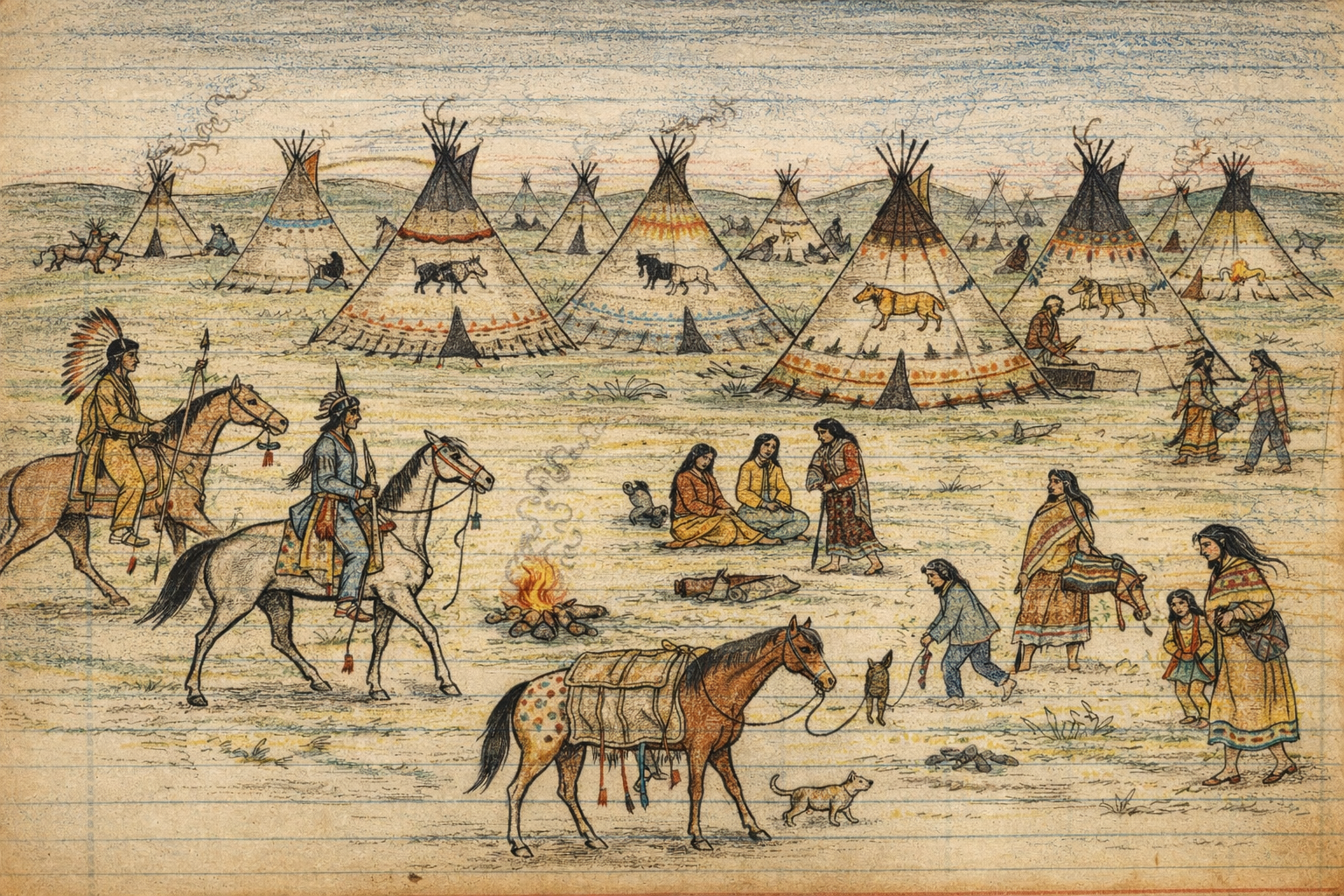
We started to notice that if you did these bad behaviors towards women, there was no accountability or sanctions for this dominant cultural norm. This lack of accountability is sometimes evident in jurisdictional or prejudicial views towards Native Women and the Native people. This dominant culture male perspective is evident in their laws and attitudes towards women.
Abuse against women is cause by a belief system that is very reflective of the laws of Europe. In the United States, the legal standing of a wife compared with her husbands has its roots in European culture and English common law. In the United States, through the nineteenth and well into the twentieth century, state law allowed husbands to abuse their wives for various indiscretions legally. Ever after the laws repealed, domestic and sexual abuse were still rampant and considered a man’s right in private matters between men and women. Not until the late 1970’s did the states give law enforcement greater authority to intervene and make arrests when they had grounds to believe a crime had been committed. As a part of the assimilation or making us like our colonizers, many Native men have accepted and live the life of a dominant culture male figure in relationships with women. As we review some European laws, we will see the attitudes and behaviors deemed acceptable for a dominant male to have towards women. In the 1500’s men were encouraged from the pulpit to beat their wives, morality tales were told of the wickedness of a nagging wife and the proper punishment for such behavior, (and in the mid-fifteenth century) Friar Cherubino of Sena compiled the “Rules of Marriage” which prescribed: “When you see your wife commit an offense do not rush at her with insults and violent blows. Scold her sharply, bully and terrify her, and if this still does not work, take up a stick and beat her soundly, for it is better to punish the body and correct her soul than to damage the soul, so that the beating will rebound to your merit and her good.” Did you ever hear “I wouldn’t do this to you, if I didn’t love you?” When we look at the progression of what this law states, it is the progression that men do to women when they use tactics of control and abuse. First, there is the verbal (scolding), then the escalating to intimidation (bullying and terrifying), then the physical/sexual action. Also, each man determined what was an “offense,” so he was permitted to punish her for anything he did not like.
Another law that has had effect on men’s behavior sexually in a relationship comes from this common law. British Jurist Lord Hale, 17th century, (1600’s) wrote that a husband could not be found guilty of raping his wife. A wife, he explained, had given herself in marriage to her husband; the common law reasons: 1) the wife is chattel (property of) belonging to her husband’ 2) the husband and wife are “one” and obviously a husband cannot rape himself; and 3) by marriage, the wife irrevocably consents (cannot say no) to intercourse with her husband on a continuing basis.
Not until the 1980’s did the “marital rape exception rule” began to erode under state and tribal law. When a man does not get sex from his wife/girlfriend, he usually makes physical gestures and then verbal accusations against her until she either gives in or he forces himself upon her without consequence. This is not the Native way. Rites of Passage ceremonies taught our boys and girls many things, including healthy sexuality and codes of conduct in sexual relationships. The ceremonies were about creating healthy adults and teaching responsibility, caring, and compassion. Across the country, we see traditions where adult males have a role with boys and adult women have a role with girls in creating a healthy community. Ceremonies ranging from fasting, vision quests, canoe journeys, kivas, and sweat lodges are part of learning to become an adult, and the adults guide the youth in the process. Multiple stages and lessons occur over time, so youth strongly bond with their helpers. This culture has changed a lot over the centuries. Some people practice full rituals; some only do one or two ceremonies. In contrast, many others do not have that knowledge, connection, or opportunity to have their own Native children experience that process.
Furthermore, government policies were put in place to assimilate Native people. They were told to be more like white men or be terminated. Colonel Pratt said, “Kill the Indian, save the man.” Native ceremonies, rituals, and lifeways were outlawed until the Freedom of Religion Act was passed in 1978.
Additionally, tribes were put on reservations that served the government’s attempt to civilize the Native people. Government troops that were often detailed to guard the reservations and surrounding areas perpetrated countless acts of violence without consequence. These enlisted men can be compared to “privates” in our present-day army. These men had appalling behaviors such as public and extreme drunkenness, high usage of profanity, excessive gambling, and disrespect towards women. It was not uncommon for these enlisted men to take young Native women, hold them against their will, repeatedly rape them, impregnate them, and take them back to the woman’s family. Many Native men have taken on the characteristics of these enlisted white men that we as Native men often despise. These negative characteristics and behaviors are a part of a larger belief system that objectifies women, especially Native women. After many generations of these beliefs existing in our communities, they affect how men see women and how men and women view relationships. The mainstream dominant values are now often used to define male and female roles, and we have learned to accept the conflicts, inequities, and hierarchical beliefs that go with it.